Roasting Techniques used in Puerto Rico
Coffee roasting in Puerto Rico is a craft deeply rooted in tradition, terroir, and a growing emphasis on quality and sustainability. While specific roasting techniques vary by farm and roaster.
Here are the key approaches commonly used across the island:
1. Medium Roast Preference
Puerto Rican coffee is often roasted to a medium level, which helps preserve the unique flavor characteristics of the beans grown in the island’s mountainous regions. This roast level balances acidity and body, allowing the natural sweetness and complexity of the coffee to shine through.
2. Traditional Drum Roasting
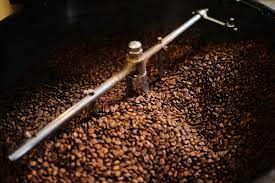
Many roasters use drum roasters, which slowly rotate the beans over a heat source. This method allows for even roasting and better control over temperature and time. It’s favored for its ability to bring out nuanced flavors without burning the beans.
3. Small-Batch Roasting
Artisan roasters in Puerto Rico often roast in small batches, which allows for greater attention to detail and consistency. This method is ideal for specialty coffee and single-origin beans, ensuring that each batch maintains its intended flavor profile.
4. Honey Process Influence
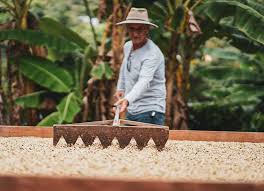
Some farms, like those in Maricao, use honey processing before roasting. This involves leaving some of the fruit’s mucilage on the bean during drying, which imparts a natural sweetness. Roasters then adjust their profiles to highlight these fruity and sugary notes.
5. Sustainability and Innovation
Modern roasters are blending traditional techniques with modern technology, using custom-built machines and software to monitor roast curves. Sustainability practices, such as using renewable energy and composting, are also becoming more common.
6. Roast Profiles for Local Taste
Puerto Rican coffee drinkers tend to prefer full-bodied, rich, and smooth coffee. Roasters often tailor their profiles to meet these preferences, sometimes leaning toward darker roasts for a bolder flavor, though without sacrificing the bean’s origin character.