Popular Coffee Processing Methods used in Puerto Rico
·
·
Coffee processing methods in Puerto Rico reflect a blend of tradition, innovation, and a deep respect for the island’s rich agricultural heritage. Farms like Hacienda Tierra Viva in Utuado exemplify this approach by combining sustainable practices with meticulous attention to flavor development.
Here are the main coffee processing methods used in Puerto Rico:
1. Honey Processing
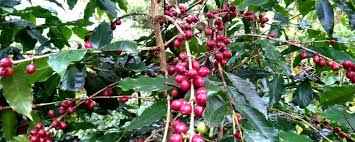
- Description: After harvesting, the coffee cherries are pulped but the sticky mucilage (fruit pulp) is left on the beans during drying.
- Flavor Impact: This method imparts a sweet, fruity flavor to the coffee and enhances body and complexity.
- Challenges: It requires careful drying and monitoring to avoid fermentation issues, making it labor-intensive but rewarding.
2. Wet (Washed) Processing
- Description: Coffee cherries are pulped, fermented in water to remove mucilage, then washed and dried.
- Flavor Impact: Produces a clean, bright cup with pronounced acidity and clarity.
- Usage: Common among farms aiming for consistency and clarity in flavor profiles.
3. Dry (Natural) Processing
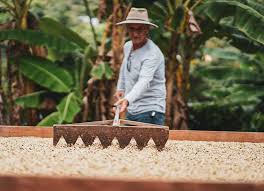
- Description: Whole cherries are dried in the sun before the outer layers are hulled.
- Flavor Impact: Results in fruity, complex flavors with heavier body.
- Traditional Use: Often used in smaller farms or in regions with optimal sun exposure.
4. Sustainable and Organic Practices
- Farms like Hacienda Tierra Viva use composting, organic fertilizers, and shade-grown techniques to maintain soil health and biodiversity.
- These practices not only improve coffee quality but also support local ecosystems and communities.
5. Small-Batch Roasting Integration
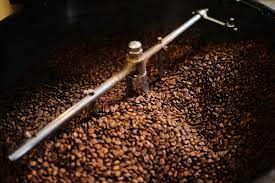
- After processing, beans are often slow-roasted in small batches using custom machines that blend traditional and modern technology.
- This ensures that the unique flavor profiles developed during processing are preserved and enhanced.
Puerto Rican coffee is prized for its smooth, sweet, and full-bodied character, and these processing methods play a vital role in shaping that profile.