The crucial role of the coffee ground size
·
·
Coffee ground size plays a crucial role in how your coffee tastes, how it's brewed, and even how long it takes to extract the flavors.
Here's a breakdown of the main coffee grind sizes, their textures, and best brewing methods:
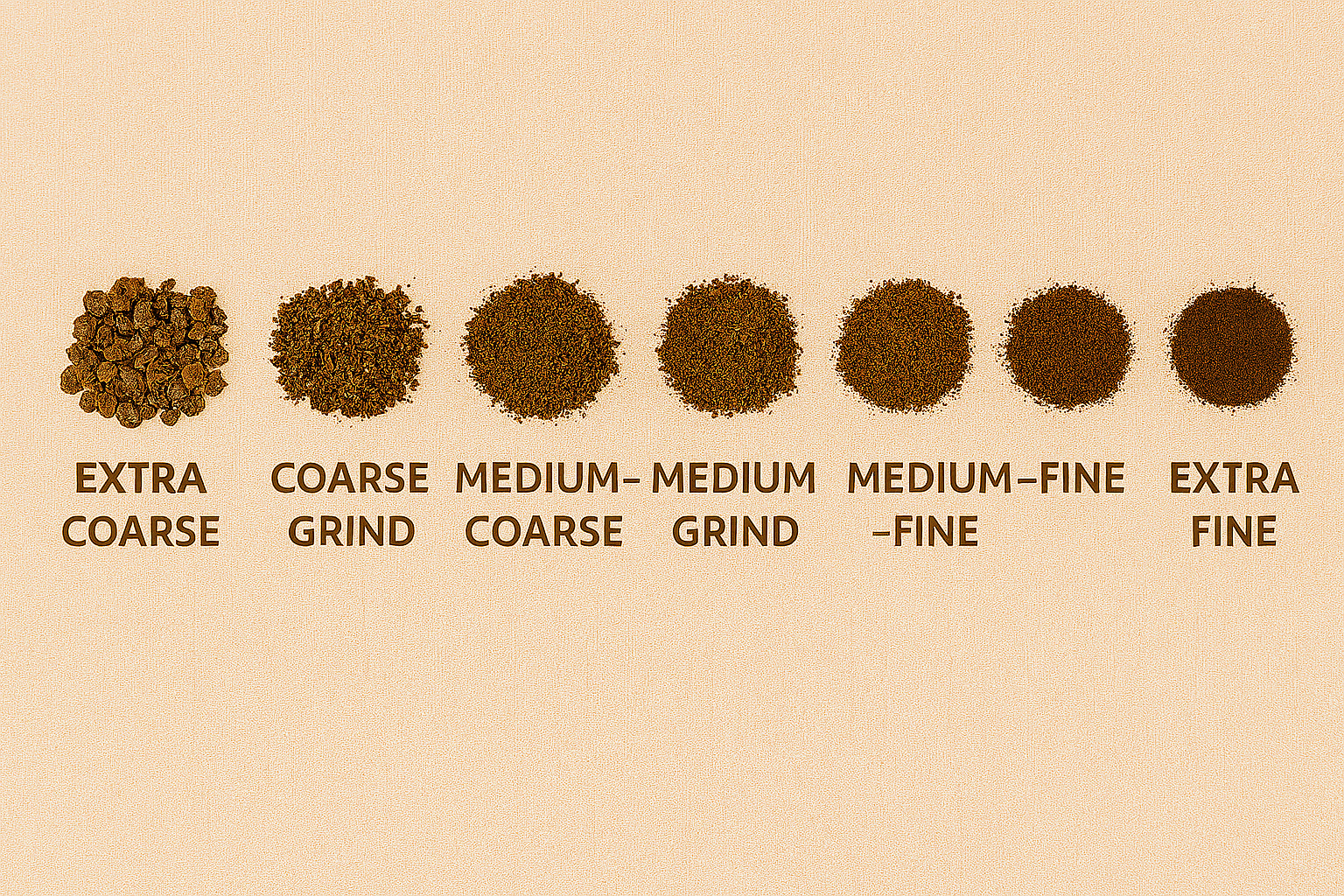
🟤 1. Extra Coarse Grind
- Texture: Chunky, like peppercorns.
- Best for: Cold brew, cowboy coffee.
- Why: Long steeping time allows slow flavor extraction.
🟤 2. Coarse Grind
- Texture: Sea salt-like.
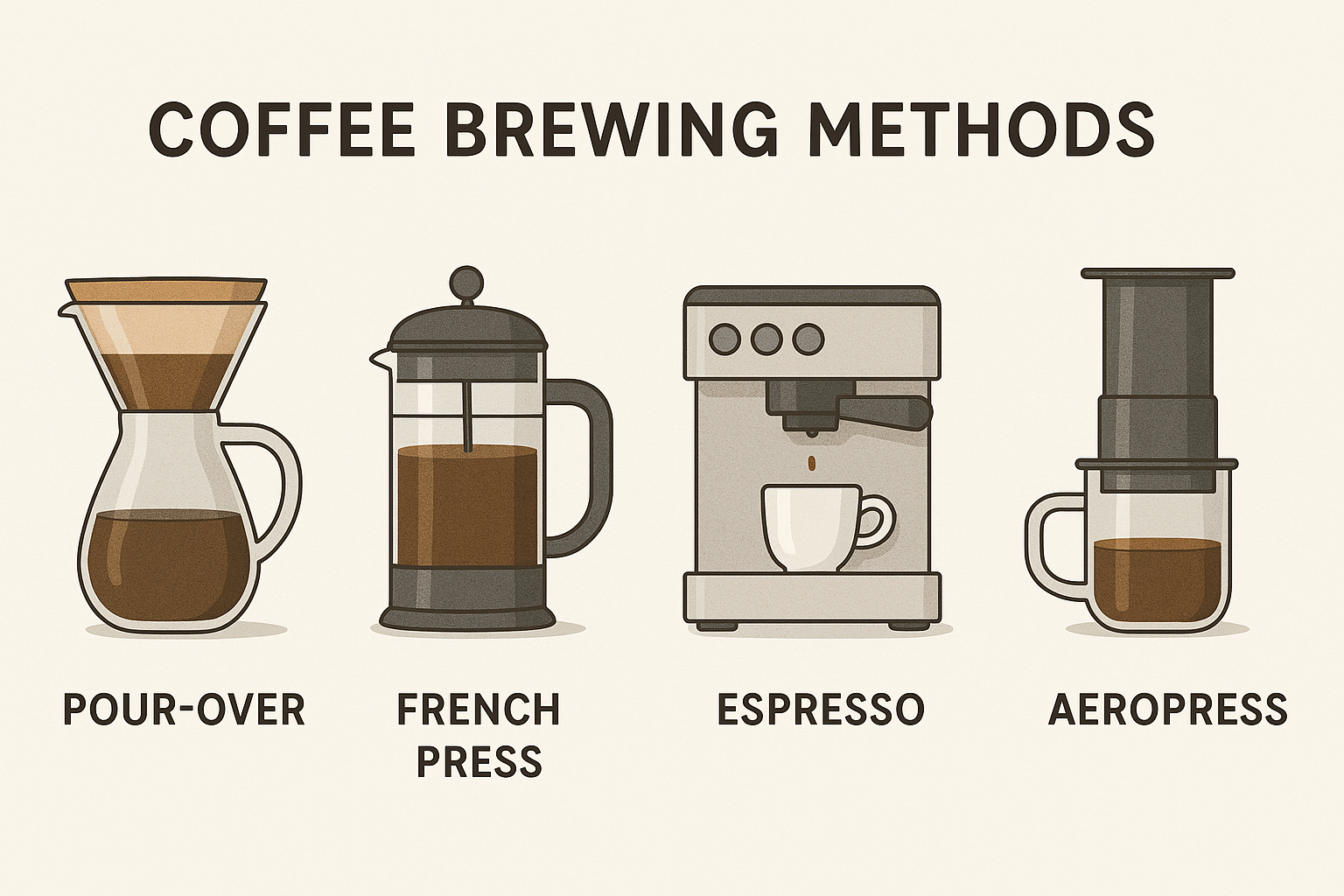
- Best for: French press, percolators.
- Why: Prevents over-extraction during long brew times.
🟤 3. Medium-Coarse Grind
- Texture: Rough sand.
- Best for: Chemex, clever dripper.
- Why: Balanced extraction for medium brew times.
🟤 4. Medium Grind
- Texture: Regular sand.
- Best for: Drip coffee makers, siphon brewers.
- Why: Most versatile; good for standard brewing.
🟤 5. Medium-Fine Grind
- Texture: Finer than sand, but not powdery.
- Best for: Pour-over (e.g., Hario V60).
- Why: Allows controlled extraction with manual brewing.
🟤 6. Fine Grind
- Texture: Table salt or sugar.
- Best for: Espresso, Aeropress (short brew time).
- Why: High pressure and short contact time need fine grounds.
🟤 7. Extra Fine Grind
- Texture: Powdery, like flour.
- Best for: Turkish coffee.
- Why: Boiled directly in water; no filtering.
☕ Why Grind Size Matters
- Too coarse → under-extracted (sour, weak).
- Too fine → over-extracted (bitter, harsh).
- Matching grind size to your brewing method ensures optimal flavor and aroma.